$6.99
Original: $19.96
-65%And Now I See: A Theology of Transformation—
$19.96
$6.99The Story
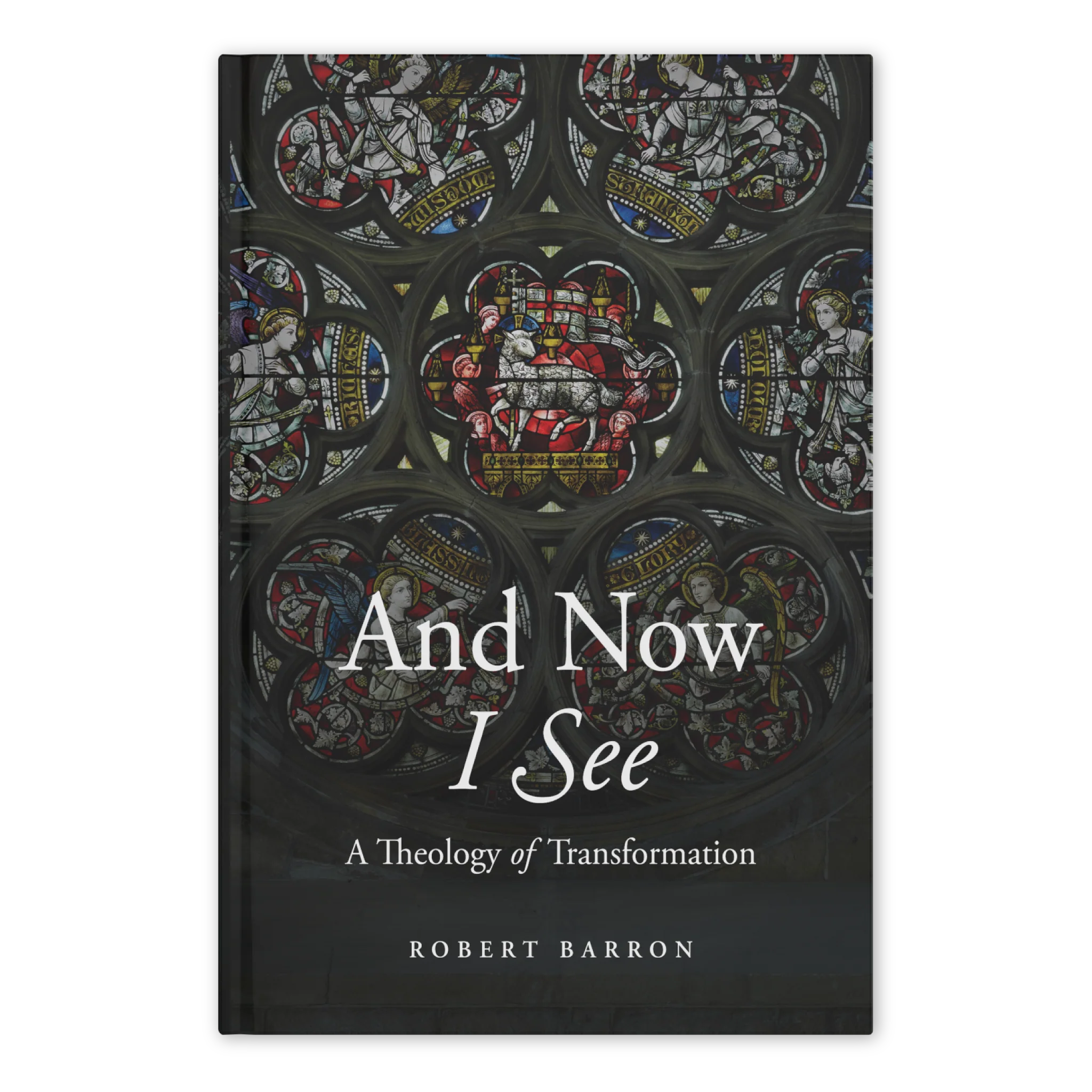
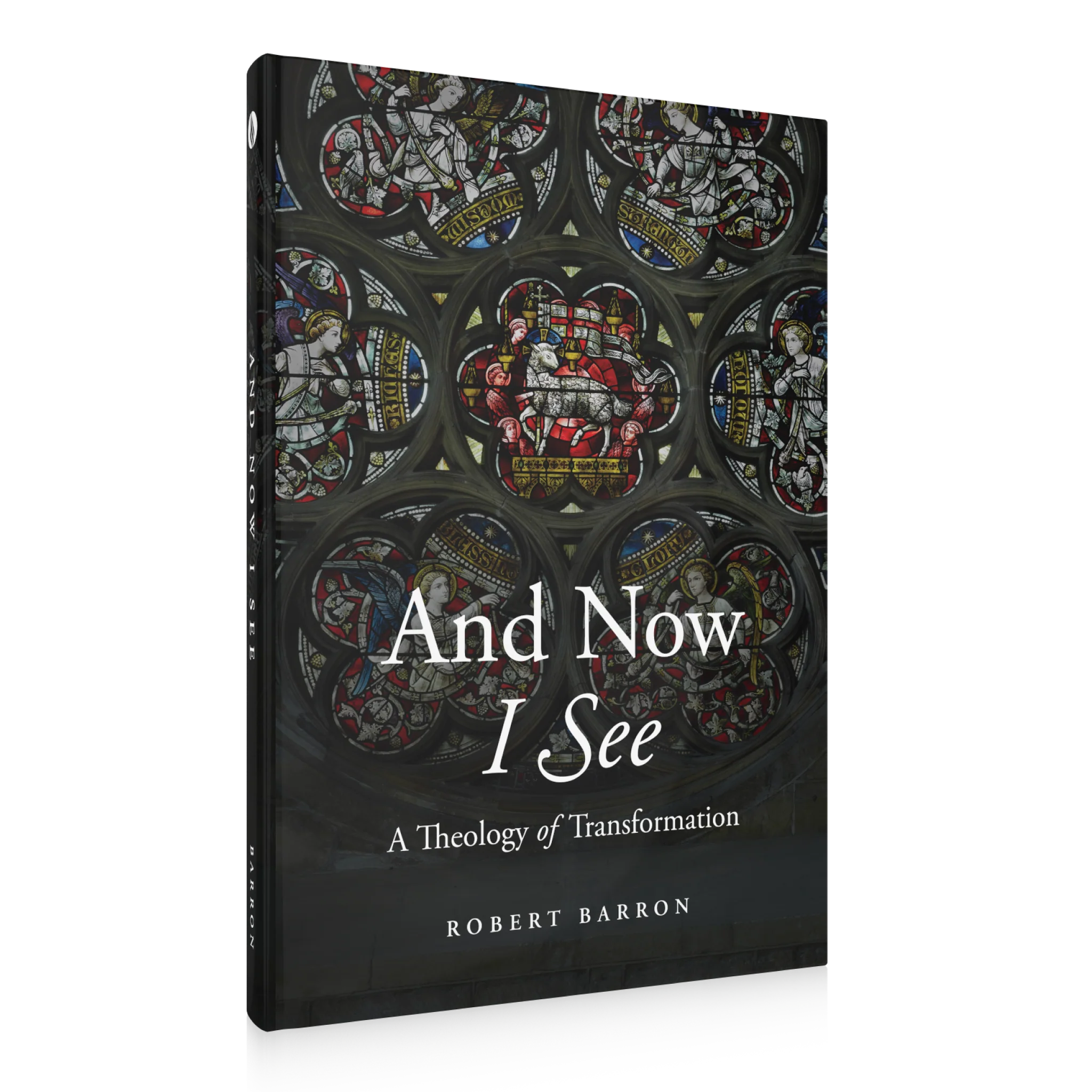
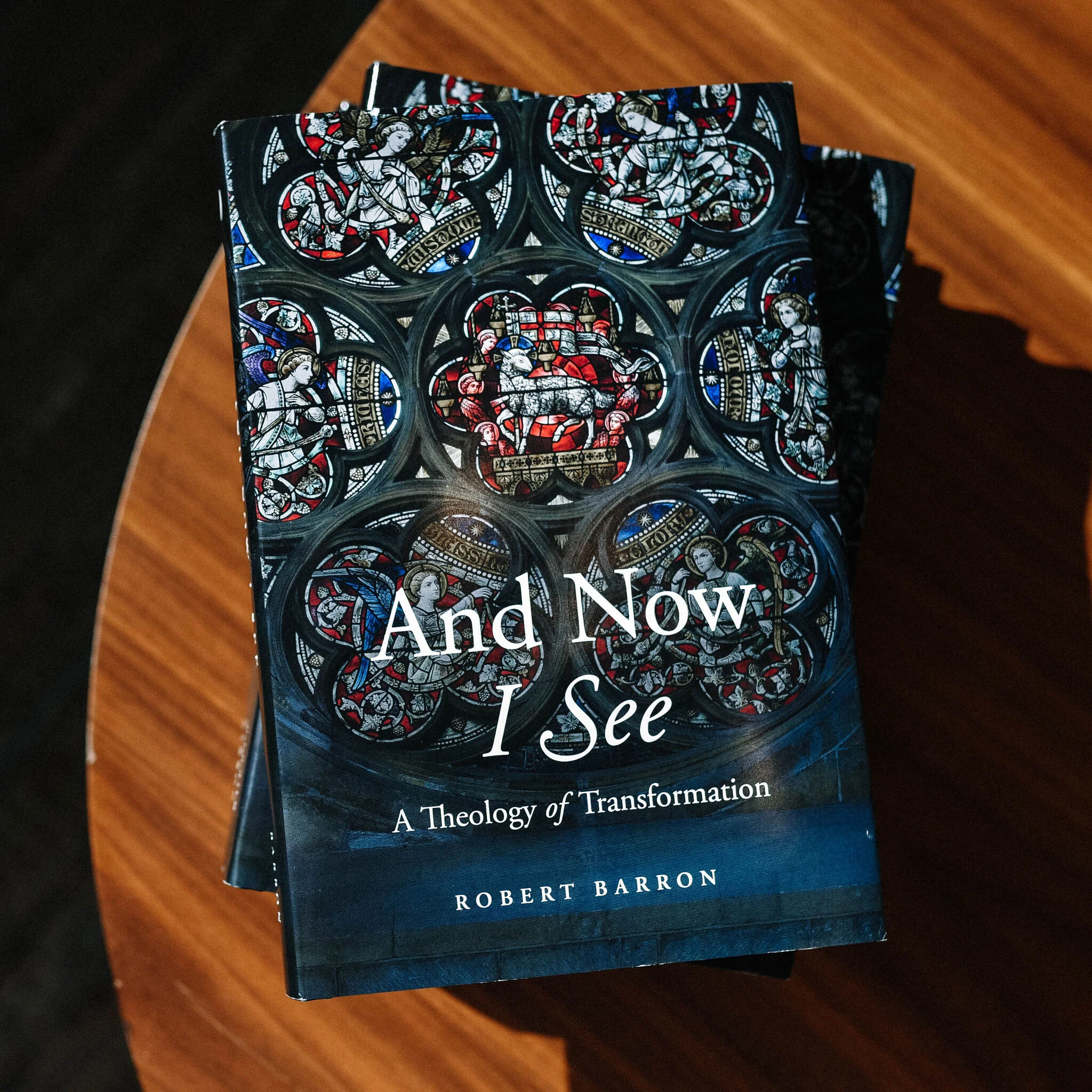
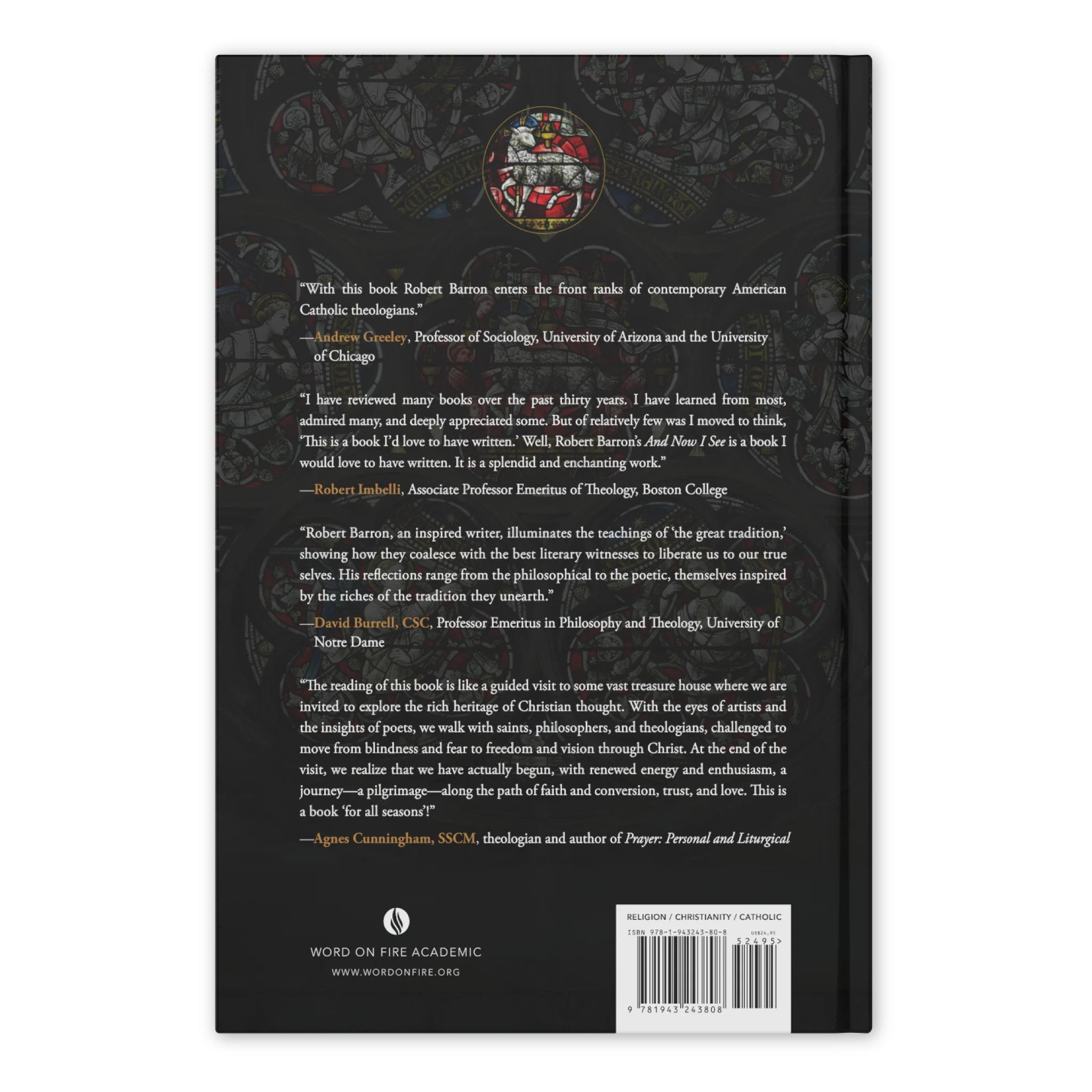
“All I know is I was blind, and now I see.” These words from the Gospel of John—spoken by a man born blind after being healed by Jesus—guide this rich theological investigation from Bishop Robert Barron into the meaning of Christian transformation.
In And Now I See: A Theology of Transformation, Bishop Barron blends insights from the theological and literary traditions to show that metanoia, or conversion to God, revealed in Christ, is about transforming the mind and soul—from a mind of fear to a mind of trust, and from a pusilla anima (small soul) to a magna anima (great soul)—and that theology itself supports this transformation. But he also shows that this change conduces not just to a new way of believing or thinking but to a new way of being.
Details & Craftsmanship
Every detail has been carefully considered to bring you the perfect product.
Details & Craftsmanship
Every detail has been carefully considered to bring you the perfect product.
Details & Craftsmanship
Every detail has been carefully considered to bring you the perfect product.
Description
“All I know is I was blind, and now I see.” These words from the Gospel of John—spoken by a man born blind after being healed by Jesus—guide this rich theological investigation from Bishop Robert Barron into the meaning of Christian transformation.
In And Now I See: A Theology of Transformation, Bishop Barron blends insights from the theological and literary traditions to show that metanoia, or conversion to God, revealed in Christ, is about transforming the mind and soul—from a mind of fear to a mind of trust, and from a pusilla anima (small soul) to a magna anima (great soul)—and that theology itself supports this transformation. But he also shows that this change conduces not just to a new way of believing or thinking but to a new way of being.